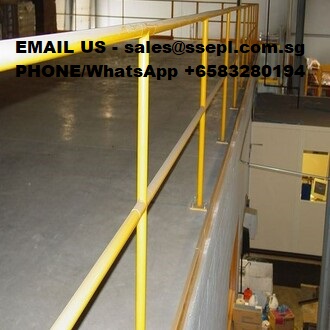
A safety guard rail is a barrier that is installed to prevent accidental falls or injuries in high-risk areas within industrial buildings. These rails are typically made of durable materials, such as steel or aluminum, and are designed to withstand heavy use and harsh environments.
Singapore Specialized Engineering Pte ltd

Author: Demo_Theme
Industrial Building Guard Rail
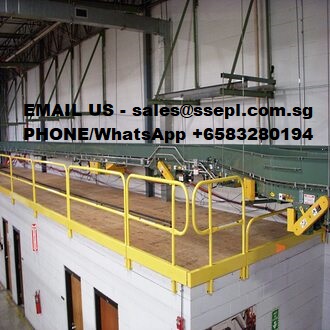
An industrial building guard rail is a protective barrier designed to prevent falls or accidents in areas where there’s a risk of falling from elevated surfaces. These guard rails are typically installed in various industrial settings, including warehouses, factories, loading docks, and stairways. They serve as a physical boundary that keeps workers safe while allowing for the necessary movement of equipment and personnel.
Lamp Pole Safety Guard Rail
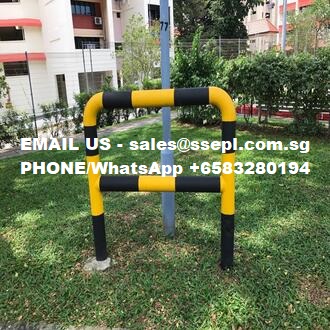
A lamp pole safety guard rail is a protective barrier installed around lamp poles in pedestrian areas. Made from durable materials such as steel or aluminum, these rails are designed to absorb impact and prevent vehicles or cyclists from colliding with poles. They serve as a physical deterrent, protecting both the lamp pole and the individuals in close proximity.
Lamp Pole Guard Rail
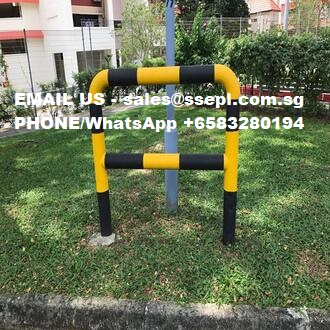
A lamp pole guard rail is a protective barrier installed around lamp poles in public areas. These rails serve a dual purpose: they not only prevent accidental collisions but also add a decorative element to the streetscape. With proper installation, lamp pole guard rails can significantly reduce the risk of injury and property damage.
Meat Processing Loading And Unloading Bay Safety Guard Rail
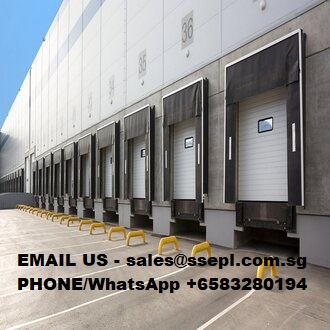
In the meat processing industry, safety is of paramount importance. One critical area that requires stringent safety measures is the loading and unloading bays. These operational zones are often bustling with activity, and without appropriate safety measures, they can be hazardous. One of the most effective solutions is the installation of safety guard rails. In this blog post, we will explore the importance of guard rails in meat processing loading and unloading bays, their benefits, and best practices for implementation.
Meat Processing Loading And Unloading Bay Guard Rail
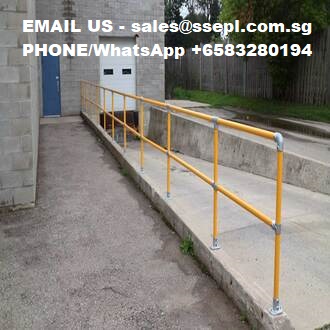
Guard rails are protective barriers installed around loading and unloading areas to prevent accidents and injuries. In meat processing facilities, these guard rails are designed to withstand heavy loads and harsh conditions. They serve not only as physical barriers but also as visual cues for workers, helping to delineate safe zones and preventing unauthorized access to hazardous areas.
Meat Processing Loading And Unloading Bay Railing
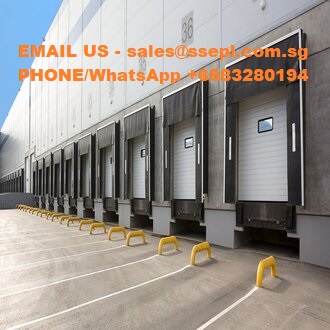
Loading and unloading bay railings are safety barriers installed around the perimeter of loading docks where meat products are transported. These railings help to prevent accidents, facilitate the movement of goods, and ensure compliance with health and safety regulations.
Meat Processing Chemical Resistant Railing
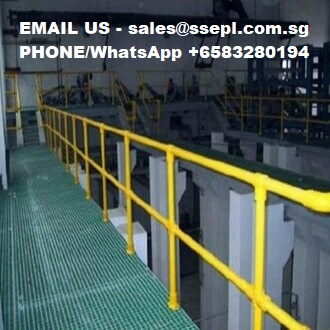
Chemical resistant railing is a specialized type of railing designed to withstand exposure to a variety of harsh chemicals typically used in meat processing plants. These chemicals can include sanitizers, detergents, acids, and other substances that are essential for maintaining a clean and safe environment. The right railing can help prevent corrosion and degradation, ensuring the integrity of safety features in your facility.
Meat Processing Chemical Resistant Fibre Glass Railing
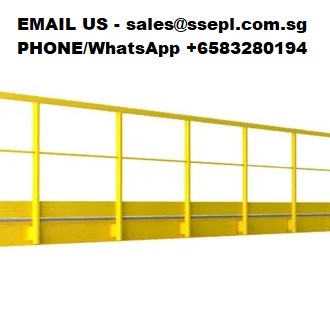
Chemical resistant fiberglass railings are specialized guardrails designed to withstand harsh environments typically found in the meat processing sector. These railings are engineered with materials that can endure aggressive chemicals, extreme temperatures, and heavy usage. Their durability makes them a popular choice for factories, processing plants, and food production facilities.
Meat Processing Pedestrian Crossway Railing

A meat processing pedestrian crossway railing is specifically designed to facilitate safe crossing points for workers and visitors in facilities where meat is processed. These railings provide a physical barrier that helps guide foot traffic, reducing the risk of accidents in areas where heavy machinery and equipment operate.